










































How a volunteer journalist used radio to combat cholera in Kenya
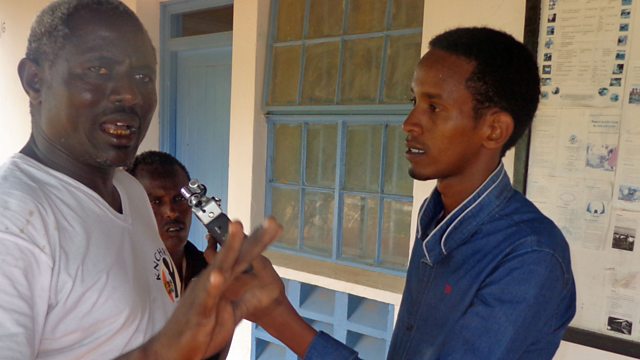
Author: Mark Okundi, August 31 2016 - Passing on skills to a new generation of broadcast journalists is helping save lives in Kenya. Mark explains how a fresh-faced volunteer single-handedly developed a radio programme designed to tackle cholera.
I began mentoring Sayid in a studio at Wajir Community Radio and was immediately impressed by him. He had just finished his fourth year of high school and had joined the station as a volunteer presenter. Fresh faced and without any previous media experience, it was a gutsy entry into the industry.
Developing young journalists
Sayid was a quick learner, getting through sessions on interview skills, news writing and producing different radio formats (e.g. drama) at lightning speed. After each session we’d pick a topic and Sayid would go into the community to practise what he’d learnt. The new volunteer quickly learnt the ropes. He seized every chance to report news; collecting interviews, writing scripts, editing audio clips and presenting from the studio.
When reports of a number of people dying from cholera in Wajir County came in earlier this year, he acted quickly.
Tackling cholera through radio
On his own initiative Sayid produced a one-off radio programme about the disease. The show, which included interviews with health experts, vox-pops with cholera survivors, news segments and public service announcements, resonated well, becoming the talk of the town. Its success led to a weekly programme dedicated to tackling cholera.
Nothing gives me more joy than when I see my mentees putting into practice the things we learnt together, especially when it involves saving lives.
Just a year after I first met him, Sayid had spread his wings, leaving Wajir Community Radio to join a local TV station as a correspondent. There’s always a touch of sadness when volunteers leave to climb the career ladder, but with it, comes immense pride. I bumped into him the other day. He was armed with a huge camera and on his way to cover a public rally which the Kenyan president, Uhuru Kenyatta was attending. He smiled and told me, “I still follow your teachings Mark, the things you taught me for radio apply to TV as well.”
In a similar story, David Njuguna explains how mentoring helped a volunteer-run radio station tackle cholera in Nairobi.
Click here to access this BBC Media Action blog and related links on their work in Kenya.
Image credit: BBC Media Action, caption: "Siyad (right) interviews Mohamed Abei, a community leader in Wajir County."
Contact:
BBC Media Action
BBC Media Centre, MC3A, 201 Wood Lane
London
W12 7TQ
United Kingdom (UK)
Phone: 44 (0) 20 8008 0001
Fax: 44 (0) 20 8008 5970
Media.action@bbc.co.uk
- Log in to post comments